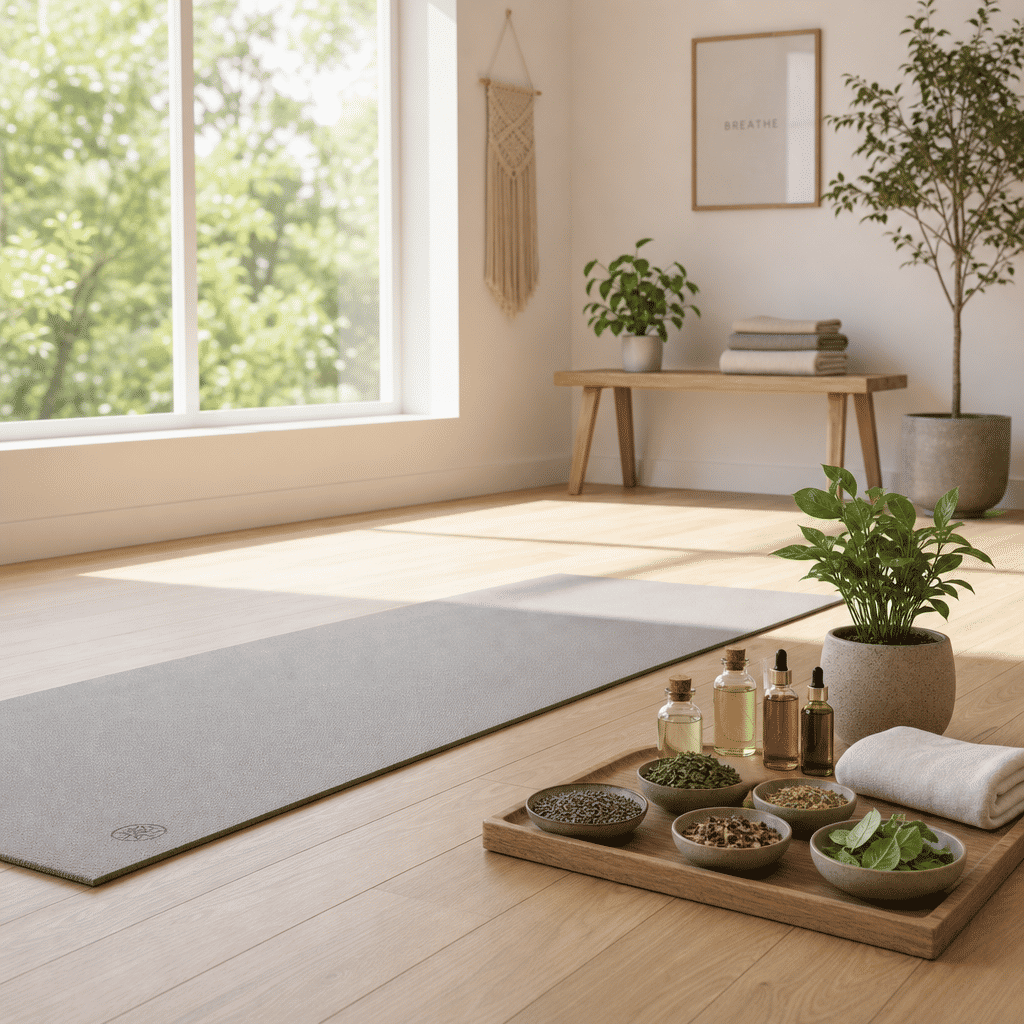
Ayurveda and yoga are two ancient practices that have been closely linked for thousands of years. Their roots are deeply embedded in the Indian subcontinent, and they focus on maintaining balance and harmony within the body and mind. By integrating Ayurvedic principles into your yoga routine, you can enhance your health and well-being, tailoring your practice to suit your individual needs. Here’s how you can seamlessly blend these two disciplines.
Understanding the Doshas
In Ayurveda, the concept of doshas is central to understanding an individual's unique physical and mental constitution. There are three primary doshas: Vata, Pitta, and Kapha. Each person is born with a unique combination of these doshas, and maintaining their balance is key to health and wellness.
-
Vata Dosha: Composed of air and space, Vata is characterized by qualities such as lightness, coldness, and dryness. When balanced, individuals with a dominant Vata dosha are energetic and creative. However, imbalances can lead to anxiety, restlessness, and digestive issues.
-
Pitta Dosha: Made up of fire and water, Pitta is associated with heat, intensity, and transformation. Balanced Pitta individuals are intelligent and determined. An imbalance, however, can cause irritability, inflammation, and overheating.
-
Kapha Dosha: Comprised of earth and water, Kapha embodies stability, endurance, and calmness. A balanced Kapha is nurturing and resilient, while an imbalance can result in lethargy, weight gain, and depression.
Tailoring Your Yoga Practice to Your Dosha
Integrating Ayurveda into your yoga practice involves adapting your routine to support the balance of your doshas. Here’s how you can incorporate these principles based on your dosha type:
Vata Balancing Routine
- Focus on Grounding: Practice calming and grounding poses such as Tree Pose, Mountain Pose, and Child’s Pose. These help stabilize the physical body and mind.
- Slow and Gentle Movements: Incorporate slow-paced vinyasa flows and restorative practices to counter the frenetic nature of an out-of-balance Vata.
- Breath Awareness: Engage in deep, diaphragmatic breathing techniques like Nadi Shodhana (alternate nostril breathing) to soothe the nervous system.
Pitta Harmonizing Routine
- Cooling Practices: Incorporate cooling asanas such as Moon Salutations, Camel Pose, and Forward Bends. These help moderate the internal heat.
- Mindful Approach: Encourage a non-competitive, mindful approach to the practice, focusing on the moment rather than goals.
- Cooling Pranayama: Practice Sheetali Pranayama (cooling breath) to dissipate excess heat and calm the mind.
Kapha Energizing Routine
- Invigorating Sequences: Utilize dynamic flows and invigorating sequences like Sun Salutations, Warrior Poses, and backbends to combat lethargy.
- Incorporate Variety: Keep routines varied and engaging to spark interest and motivation.
- Stimulating Breathwork: Techniques like Kapalabhati (skull shining breath) can invigorate and energize, promoting a sense of aliveness.
Nutrition and Lifestyle
Ayurvedic principles also extend beyond the yoga mat into daily life, particularly through diet and lifestyle choices that correspond with each dosha type.
- Vata: Emphasize warm, cooked foods with healthy fats; stick to a regular daily routine.
- Pitta: Consume cooling, slightly sweet, and bitter foods; avoid excessive heat and maintain a peaceful environment.
- Kapha: Opt for light, warming foods that are spicy or bitter; incorporate regular exercise and avoid excessive sleep.
Conclusion
Integrating Ayurveda into your yoga routine is a powerful way to enhance your practice and overall well-being. By embracing the wisdom of these ancient systems, you can achieve better balance, harmony, and health in your life. Whether your focus is on stabilizing Vata, cooling Pitta, or energizing Kapha, remember to listen to your body and honor your unique needs. With these principles woven into your practice, you’ll embark on a path of holistic well-being and alignment.